
Wisdom teeth, also known as third molars, are the last set of teeth to emerge, typically appearing between the ages of 17 and 25. For many people, the arrival of wisdom teeth raises an important question: should they be removed or kept? The answer depends on several factors, including their position, health, and impact on surrounding teeth.
What Are Wisdom Teeth?
Wisdom teeth are the third molars located at the back of the mouth. Historically, these teeth helped our ancestors chew tough foods such as roots, nuts, and raw meat. Today, modern diets and smaller jaw sizes often leave little room for wisdom teeth to erupt properly.
When Wisdom Teeth Can Be Kept
Not all wisdom teeth require removal. A dentist may recommend keeping them if they:
- Erupt fully through the gums
- Are positioned correctly and align with neighboring teeth
- Do not cause pain or discomfort
- Are free from decay and gum disease
- Can be cleaned effectively during daily oral hygiene routines
Healthy wisdom teeth that function normally can remain in the mouth without causing problems.
Signs Wisdom Teeth May Need Removal
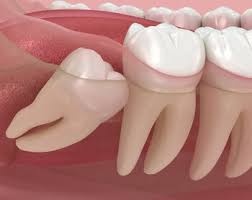
In many cases, wisdom teeth become impacted, meaning they do not have enough room to emerge properly. Impacted wisdom teeth can lead to several oral health issues, including:
Persistent Pain
Pain at the back of the mouth is one of the most common signs that a wisdom tooth is causing problems.
Swollen or Infected Gums
Partially erupted wisdom teeth can create spaces where bacteria collect, increasing the risk of infection and gum inflammation.
Damage to Nearby Teeth
A wisdom tooth growing at an angle may push against neighboring teeth, causing discomfort, crowding, or damage.
Tooth Decay
Because wisdom teeth are difficult to reach, they are often harder to clean, making them more susceptible to cavities.
Jaw Problems
Impacted wisdom teeth can sometimes contribute to jaw pain, stiffness, or cyst formation around the tooth.
Benefits of Wisdom Teeth Removal
Removing problematic wisdom teeth may:
- Prevent future dental complications
- Reduce the risk of infections and gum disease
- Protect neighboring teeth from damage
- Eliminate recurring pain and swelling
- Simplify oral hygiene maintenance
Many dentists recommend extraction before significant problems develop, particularly in younger patients who typically experience faster healing.
Reasons to Avoid Unnecessary Removal
While extraction is a common procedure, it is still a form of oral surgery. If wisdom teeth are healthy and symptom-free, removal may not provide any benefit. Keeping healthy wisdom teeth can:
- Preserve natural tooth structure
- Avoid surgical risks and recovery time
- Maintain normal chewing function
Regular dental examinations and X-rays can help monitor wisdom teeth over time.
How Dentists Decide
A dentist evaluates several factors before recommending removal, including:
- Tooth position and alignment
- Available space in the jaw
- Presence of pain or infection
- Risk of future complications
- Oral hygiene accessibility
- Findings from dental X-rays
Each patient’s situation is unique, making professional assessment essential.
What to Expect During Wisdom Teeth Removal
Wisdom tooth extraction is typically performed under local anesthesia, sedation, or general anesthesia depending on the complexity of the case. Most patients recover within a few days, although complete healing can take several weeks.
Common post-surgery symptoms include:
- Mild swelling
- Temporary discomfort
- Minor bleeding
- Jaw stiffness
Following post-operative instructions carefully helps ensure a smooth recovery.
The Bottom Line
There is no one-size-fits-all answer to whether wisdom teeth should be removed or kept. Healthy, properly positioned wisdom teeth may remain in place for life without causing issues. However, impacted, painful, infected, or difficult-to-clean wisdom teeth often benefit from extraction. Regular dental checkups and X-rays are the best way to determine the right course of action and protect your long-term oral health.