
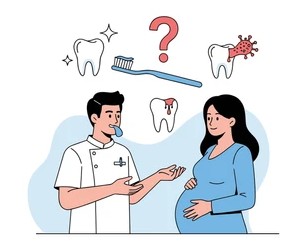
Pregnancy brings many changes to your body, and your oral health is no exception. Dental care during pregnancy is an important part of prenatal health because hormonal changes, dietary shifts, and morning sickness can all affect your teeth and gums. Many women experience increased gum sensitivity, bleeding gums, dry mouth, or a higher risk of tooth decay during pregnancy.
The good news is that most dental problems can be prevented or managed with proper care. Understanding how pregnancy affects oral health and knowing which treatments are safe can help protect both you and your baby throughout this important stage of life.
Why Dental Care During Pregnancy Matters
Many expecting mothers are surprised to learn that oral health is closely connected to overall health during pregnancy. Hormonal fluctuations can make the gums more sensitive to plaque, increasing the risk of inflammation and infection.
Research has shown that untreated gum disease may be associated with certain pregnancy complications, including preterm birth and low birth weight. While the relationship is complex, maintaining healthy teeth and gums remains an important part of prenatal care.
Regular dental visits allow your dentist to identify potential issues early and provide treatment before minor concerns become serious problems.
How Pregnancy Affects Oral Health
Hormonal Changes and Pregnancy Gingivitis
One of the most common oral health conditions during pregnancy is pregnancy gingivitis. Elevated estrogen and progesterone levels increase blood flow to the gums, making them more susceptible to irritation and inflammation.
Symptoms may include:
- Red or swollen gums
- Bleeding while brushing or flossing
- Tenderness around the gumline
- Persistent bad breath
Without proper care, gingivitis can progress into more advanced periodontal disease.
Increased Risk of Tooth Decay
Pregnancy can increase the risk of cavities for several reasons. Many women experience cravings for sugary foods and snacks, while others find it difficult to maintain regular oral hygiene routines due to fatigue or nausea.
Frequent snacking exposes teeth to acids and bacteria more often, creating an environment where cavities can develop more easily.
Morning Sickness and Enamel Erosion
Morning sickness exposes teeth to stomach acids, which can gradually wear away tooth enamel. Repeated episodes of vomiting may increase tooth sensitivity and make teeth more vulnerable to decay.
If you experience morning sickness, rinse your mouth with water afterward and wait at least 30 minutes before brushing to avoid further enamel damage.
Dry Mouth During Pregnancy
Some women experience reduced saliva production during pregnancy. Since saliva helps neutralize acids and wash away food particles, dry mouth can contribute to cavity formation and oral discomfort.
Staying hydrated throughout the day can help minimize symptoms.
Is Dental Treatment Safe During Pregnancy?
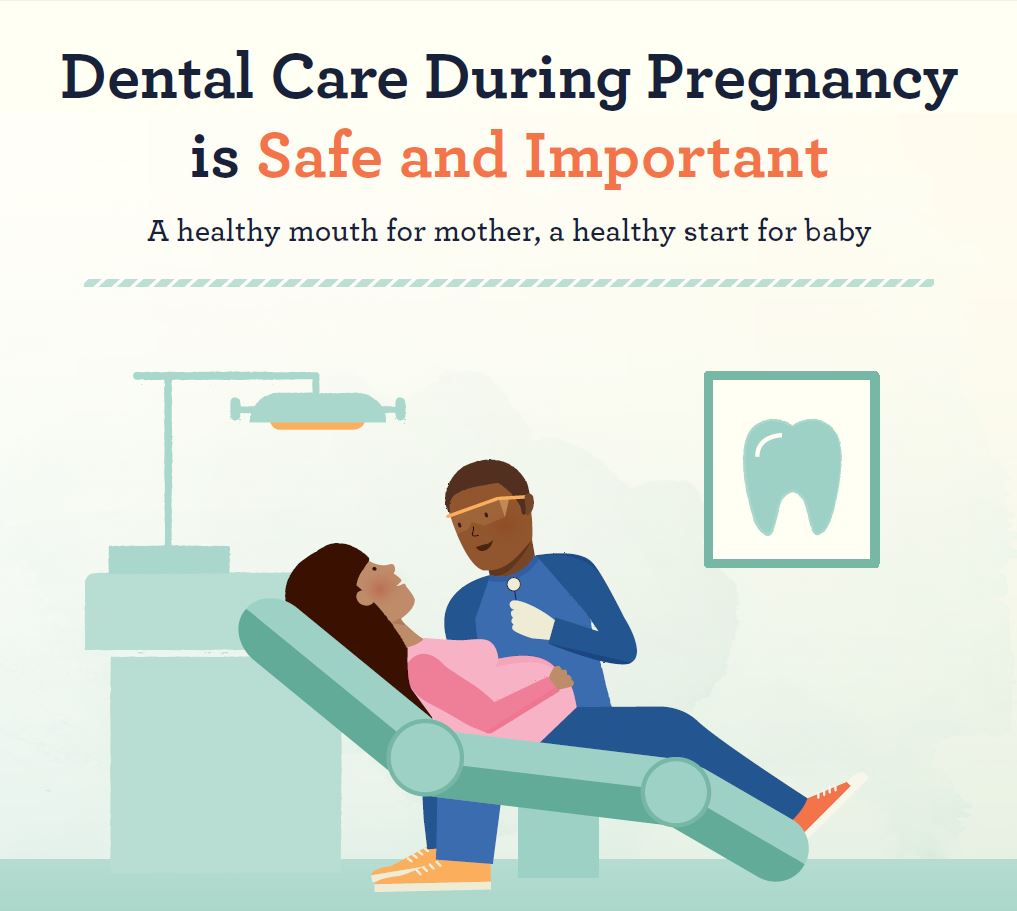
A common misconception is that dental treatment should be avoided during pregnancy. In reality, most routine and necessary dental care is considered safe and recommended.
Preventive care such as dental cleanings, examinations, and cavity treatment can help reduce the risk of complications caused by untreated infections.
First Trimester
The first trimester is a critical period of fetal development. While emergency treatment can be performed when necessary, many elective procedures are typically postponed until later in pregnancy.
During this stage, dentists often focus on examinations, preventive care, and treatment planning.
Second Trimester
The second trimester is generally considered the safest and most comfortable time for dental treatment. Nausea often improves, and fetal development is more established.
Procedures commonly performed during this period include:
- Dental cleanings
- Fillings
- Crowns
- Root canal treatment when necessary
- Treatment of gum disease
Third Trimester
Dental treatment remains possible during the third trimester, but prolonged appointments may become uncomfortable due to positioning and physical discomfort.
Whenever possible, extensive elective treatment is often completed before this stage.
Are Dental X-Rays Safe During Pregnancy?
Modern dental X-rays expose patients to very low levels of radiation. When necessary, dental radiographs can be safely performed during pregnancy using appropriate protective measures.
Dentists use:
- Lead aprons
- Thyroid protection
- Digital imaging technology
- Minimal radiation exposure techniques
Diagnostic imaging should never be avoided when it is essential for diagnosing infection or other urgent dental problems.
Local Anesthesia and Pregnancy
Local anesthetics used in dentistry are generally considered safe during pregnancy when administered appropriately.
Maintaining maternal comfort is important because untreated pain and stress can negatively affect overall health. Your dentist will select medications that have established safety records and use the lowest effective dose necessary.
Always inform your dental provider about your pregnancy and any medications you are taking.
Nutrition and Oral Health During Pregnancy
Good nutrition supports both fetal development and oral health.
Essential Nutrients
Key nutrients include:
- Calcium
- Vitamin D
- Phosphorus
- Magnesium
- Iron
- Folate
These nutrients contribute to healthy teeth, bones, and overall development.
Limiting Sugar Intake
Pregnancy cravings can increase sugar consumption, which raises cavity risk. Choosing healthier snacks and limiting sugary beverages can help protect your teeth.
Examples of tooth-friendly snacks include:
- Cheese
- Yogurt
- Nuts
- Fresh vegetables
- Whole fruits
The Role of Fluoride
Fluoride remains one of the most effective tools for preventing tooth decay. Using fluoride toothpaste and following your dentist’s recommendations can help strengthen enamel throughout pregnancy.
Common Dental Problems During Pregnancy
Pregnancy Gingivitis
Pregnancy gingivitis affects many expectant mothers and is characterized by inflammation, redness, and bleeding gums.
Regular professional cleanings and consistent oral hygiene are often effective in controlling symptoms.
Pregnancy Tumors
Pregnancy tumors, also known as pyogenic granulomas, are noncancerous growths that may develop on the gums due to hormonal changes.
Although they can appear alarming, they are generally harmless and often resolve after childbirth.
Tooth Sensitivity
Hormonal fluctuations, enamel erosion from morning sickness, and gum recession may contribute to increased tooth sensitivity during pregnancy.
Using a sensitivity toothpaste and addressing underlying causes can provide relief.
Dry Mouth and Excess Saliva
Some women experience dry mouth, while others produce excessive saliva. Both conditions can be uncomfortable but are usually temporary.
Maintaining hydration and following your dentist’s recommendations can help manage symptoms.
Medications and Dental Care During Pregnancy
Medication safety is an important consideration during pregnancy.
Pain Relief
Acetaminophen is commonly recommended for dental pain when appropriate. Medication decisions should always be discussed with your healthcare providers.
Antibiotics
Certain antibiotics commonly used in dentistry have established safety profiles during pregnancy. Your dentist will select medications based on current clinical guidelines and your specific needs.
Medications to Avoid
Some medications may not be recommended during pregnancy because of potential risks to fetal development. Always inform your dentist about your pregnancy status before treatment begins.
Dental Health Tips for Expecting Mothers
Maintaining good oral health during pregnancy does not have to be complicated.
Follow these simple guidelines:
- Brush twice daily with fluoride toothpaste.
- Floss every day.
- Schedule regular dental checkups.
- Limit sugary snacks and drinks.
- Drink plenty of water.
- Rinse after episodes of morning sickness.
- Report any oral pain or swelling promptly.
- Follow your dentist’s recommendations for preventive care.
The Importance of Regular Dental Visits During Pregnancy
Routine dental visits allow early detection of problems before they become more serious.
Your dentist can:
- Monitor gum health
- Remove plaque and tartar buildup
- Detect cavities early
- Provide personalized oral hygiene guidance
- Recommend safe treatment options when needed
Preventive care is often simpler, less expensive, and more comfortable than treating advanced dental conditions.
After Pregnancy: Continuing Your Oral Health Journey
Oral health remains important after childbirth. Hormonal changes gradually stabilize, but ongoing dental care is essential for maintaining healthy teeth and gums.
Postpartum dental visits provide an opportunity to:
- Reevaluate gum health
- Address any lingering dental concerns
- Review oral hygiene habits
- Establish long-term preventive care
Maintaining your own oral health also helps support the health of your growing family.
Final Thoughts
Dental care during pregnancy plays a vital role in supporting both maternal and fetal well-being. Hormonal changes, dietary shifts, and other pregnancy-related factors can increase the risk of dental problems, but most issues can be prevented or managed with proper care.
Regular dental visits, good oral hygiene, healthy nutrition, and timely treatment when necessary can help you maintain a healthy smile throughout pregnancy and beyond. If you are pregnant or planning to become pregnant, discussing your oral health with your dental provider is one of the best steps you can take for yourself and your baby.