
Jawbone loss after tooth loss is one of the most significant yet often overlooked consequences of missing teeth. When a tooth is lost or extracted, the jawbone no longer receives the stimulation it needs to maintain its strength and volume. Over time, this process can lead to bone deterioration, changes in facial appearance, difficulties with chewing, and complications for future dental treatments such as implants.
Understanding jawbone loss after tooth loss is essential because the process begins almost immediately after extraction and can continue for years if left untreated. The extent of bone loss depends on several factors, including chewing function, prosthetic rehabilitation timing, ridge preservation techniques, and overall health.
Why Does Jawbone Loss After Tooth Loss Occur?
The primary reason for jawbone loss after tooth loss is the absence of normal stimulation from the tooth and its periodontal ligament. During chewing, forces are transmitted through the tooth root into the surrounding bone, signaling the body to maintain bone density and strength.
When a tooth is removed, this stimulation disappears. As a result:
- Bone-building activity decreases.
- Bone-resorbing cells become more active.
- The alveolar ridge gradually shrinks in both height and width.
- Future implant placement may become more challenging.
This biological response creates a chain reaction that contributes to progressive bone deterioration.
The Biological Process Behind Jawbone Loss After Tooth Loss
Following tooth extraction, several biological changes occur simultaneously.
Loss of Periodontal Ligament Signaling
The periodontal ligament plays a critical role in maintaining healthy bone. Once the tooth is removed, the signaling pathways that support bone formation are significantly reduced.
Increased Inflammatory Activity
The extraction site releases inflammatory mediators such as cytokines and RANKL, which promote osteoclast activity and accelerate bone resorption.
Reduced Mechanical Loading
Without normal chewing forces, the jawbone experiences less stimulation. This reduction in mechanical stress causes bone remodeling to favor resorption rather than formation.
Together, these factors explain why jawbone loss after tooth loss can occur rapidly during the first several months after extraction.
How Reduced Chewing Function Accelerates Bone Loss
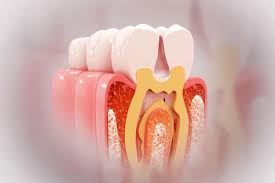
Chewing is more than a way to process food—it is essential for maintaining bone health. When chewing forces decrease after tooth loss:
- Bone density declines.
- Trabecular bone becomes thinner.
- Ridge dimensions gradually shrink.
- Future implant support may be compromised.
This demonstrates how jawbone loss after tooth loss is closely linked to diminished oral function.
The Importance of Early Treatment
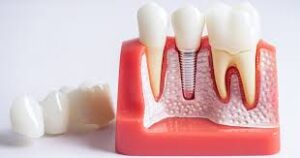
One of the most effective ways to minimize jawbone loss after tooth loss is timely treatment. Early intervention through dental implants, ridge preservation procedures, or appropriate prosthetic solutions can help maintain bone volume and reduce long-term complications.
Research consistently shows that preserving function and stimulation within the jaw can significantly slow the progression of bone loss.
Ridge Preservation and Bone Grafting
Ridge preservation procedures are specifically designed to combat jawbone loss after tooth loss.
These treatments may include:
- Bone grafting materials
- Collagen membranes
- Socket preservation techniques
- Guided bone regeneration
By supporting healing and maintaining the extraction site’s structure, these procedures help preserve bone for future restorative treatment.
Factors That Increase the Risk of Jawbone Loss
Several factors can accelerate jawbone loss after tooth loss, including:
- Smoking
- Osteoporosis
- Advanced age
- Periodontal disease
- Poor nutrition
- Delayed tooth replacement
Patients with one or more of these risk factors often require closer monitoring and proactive treatment planning.
Long-Term Effects of Jawbone Loss After Tooth Loss
If left untreated, jawbone loss after tooth loss can lead to:
- Facial collapse and premature aging
- Difficulty chewing and speaking
- Reduced denture stability
- Increased need for bone grafting
- More complex implant procedures
- Changes in bite alignment
These consequences highlight why preserving jawbone health should be a priority after any tooth extraction.
Protecting Your Jawbone After Tooth Loss
The best approach to preventing jawbone loss after tooth loss is early evaluation and personalized treatment planning. Whether through dental implants, ridge preservation, or other restorative solutions, maintaining bone volume helps preserve both oral function and long-term aesthetics.
At Bright Dental, we help patients understand their options and develop treatment plans that support lasting oral health, function, and confidence.