
Sleep apnea is a common sleep disorder that affects millions of people worldwide. While many associate sleep apnea with snoring and daytime fatigue, fewer realize the important relationship between sleep apnea and teeth. Dentists are often among the first healthcare professionals to identify signs of sleep apnea because many symptoms appear inside the mouth.
Understanding the connection between sleep apnea and oral health can help patients recognize warning signs early and seek appropriate treatment before serious health complications develop.
What Is Sleep Apnea?
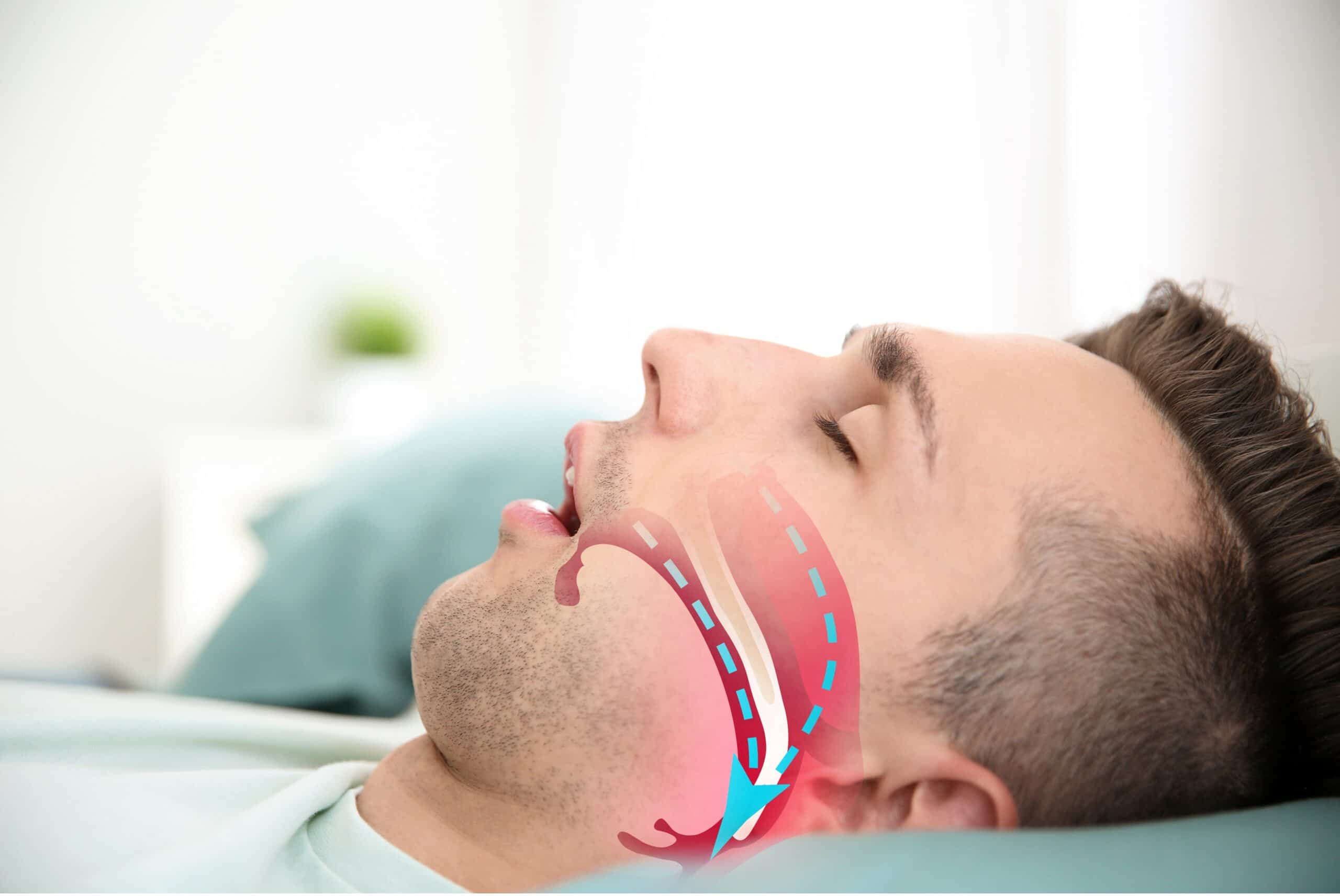
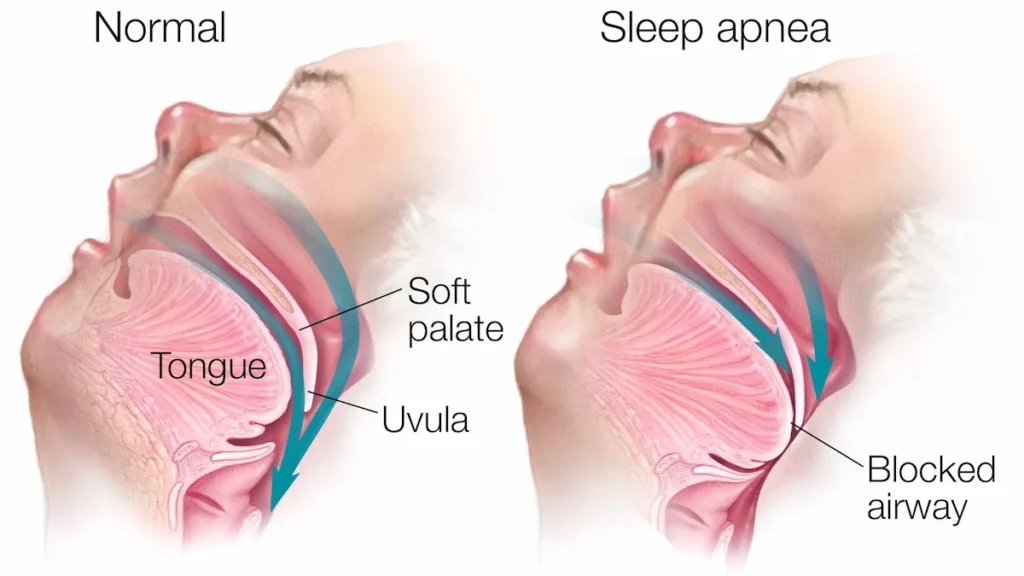
Sleep apnea is a condition in which breathing repeatedly stops and starts during sleep. The most common type is obstructive sleep apnea (OSA), which occurs when the airway becomes partially or completely blocked.
Common symptoms include:
- Loud snoring
- Gasping during sleep
- Daytime fatigue
- Morning headaches
- Difficulty concentrating
- Poor sleep quality
Without treatment, sleep apnea can increase the risk of heart disease, high blood pressure, diabetes, and other health problems.
How Sleep Apnea Affects Teeth and Oral Health
Many people are surprised to learn that sleep apnea can directly impact oral health.
Teeth Grinding and Clenching
Sleep apnea is frequently associated with bruxism, or teeth grinding. During episodes of interrupted breathing, the jaw may subconsciously clench or grind as the body attempts to reopen the airway.
Over time, this can cause:
- Worn tooth enamel
- Cracked teeth
- Tooth sensitivity
- Jaw pain
- TMJ disorders
Dry Mouth
Many sleep apnea patients breathe through their mouths while sleeping.
This can lead to:
- Dry mouth
- Increased cavity risk
- Bad breath
- Gum irritation
- Difficulty swallowing
Saliva plays a crucial role in protecting teeth, and reduced saliva production can significantly affect oral health.
Dental Signs of Sleep Apnea
Dentists often identify signs that may suggest sleep apnea, including:
Excessive Tooth Wear
Flattened or worn teeth may indicate nighttime grinding associated with sleep-disordered breathing.
Enlarged Tongue or Airway Issues
A large tongue or restricted airway can increase the likelihood of airway obstruction during sleep.
Scalloped Tongue
Indentations along the edges of the tongue may indicate tongue pressure against the teeth, often seen in patients with sleep apnea.
Jaw and Bite Changes
Chronic grinding and clenching may contribute to bite changes and jaw discomfort over time.
How Dentists Help Diagnose Sleep Apnea
Although dentists do not typically perform sleep studies, they can identify risk factors and refer patients for further evaluation.
During a dental examination, your dentist may assess:
- Airway anatomy
- Tongue size
- Jaw position
- Tooth wear patterns
- Signs of bruxism
If sleep apnea is suspected, a sleep study may be recommended to confirm the diagnosis.
Dental Treatment Options for Sleep Apnea
Many patients with mild to moderate obstructive sleep apnea benefit from oral appliance therapy.
Oral Appliance Therapy
Custom oral appliances work by gently repositioning the lower jaw and tongue to keep the airway open during sleep.
Benefits include:
- Improved airflow
- Reduced snoring
- Better sleep quality
- Comfortable fit
- Portable alternative to CPAP for suitable patients
Night Guards and Bruxism Management
For patients experiencing teeth grinding, dentists may recommend protective appliances to minimize tooth damage.
When Should You See a Dentist?
Consider discussing sleep apnea with your dentist if you experience:
- Chronic snoring
- Morning headaches
- Excessive daytime sleepiness
- Jaw pain
- Teeth grinding
- Unexplained tooth wear
Early intervention can improve both sleep quality and oral health outcomes.
Preventing Oral Health Problems Associated with Sleep Apnea
To protect your teeth and gums:
- Maintain regular dental checkups
- Treat sleep apnea promptly
- Stay hydrated
- Address teeth grinding early
- Follow recommended oral hygiene practices
- Wear prescribed oral appliances consistently
Conclusion
The relationship between sleep apnea and teeth is often overlooked, yet the condition can significantly affect oral health. Dentists play an important role in recognizing symptoms, identifying risk factors, and providing effective treatment options such as oral appliance therapy. If you experience symptoms of sleep apnea or notice signs such as tooth wear, jaw pain, or chronic fatigue, consulting both your dentist and healthcare provider can help protect your overall health and improve your quality of life.