

Have you ever noticed blood in the sink after brushing your teeth? Many people assume that bleeding gums are normal, but they are often a warning sign that something is affecting your oral health. Understanding why gums bleed when brushing can help you address the underlying cause before it develops into a more serious dental problem.
In most cases, bleeding gums result from inflammation caused by plaque buildup, poor oral hygiene, or gum disease. However, factors such as aggressive brushing, nutritional deficiencies, hormonal changes, and certain medical conditions can also contribute to the problem. Identifying the cause is the first step toward protecting your gums and maintaining a healthy smile.
What Causes Gums to Bleed When Brushing?
Bleeding gums usually occur when the gum tissue becomes inflamed and sensitive. When this happens, even routine brushing can irritate the gums and cause minor bleeding.
Plaque Buildup and Gingivitis
The most common cause of bleeding gums is plaque accumulation along the gumline. Plaque is a sticky film of bacteria that forms on teeth throughout the day. If it is not removed regularly through brushing and flossing, it can irritate the gums and trigger inflammation.
This early stage of gum disease is known as gingivitis. Common symptoms include:
- Red or swollen gums
- Tenderness around the gumline
- Bleeding during brushing or flossing
- Persistent bad breath
The good news is that gingivitis is reversible when treated early with proper oral hygiene and professional dental care.
Can Brushing Technique Cause Bleeding Gums?
Yes. While plaque-related inflammation is the most common reason, improper brushing techniques can also contribute to bleeding.

Brushing Too Hard
Many people believe that brushing harder cleans teeth better. In reality, excessive force can damage delicate gum tissue and lead to irritation and bleeding.
Signs that you may be brushing too aggressively include:
- Receding gums
- Tooth sensitivity
- Worn toothbrush bristles
- Frequent gum bleeding
Using a soft-bristled toothbrush and gentle circular motions can help protect your gums while effectively removing plaque.
How Bacteria Affect Gum Health
Oral bacteria play a significant role in gum inflammation. As plaque matures, harmful bacteria release toxins that irritate gum tissue and trigger the body’s immune response.
This response increases blood flow to the gums and makes tiny blood vessels more fragile. As a result, the gums become more likely to bleed during brushing or flossing.
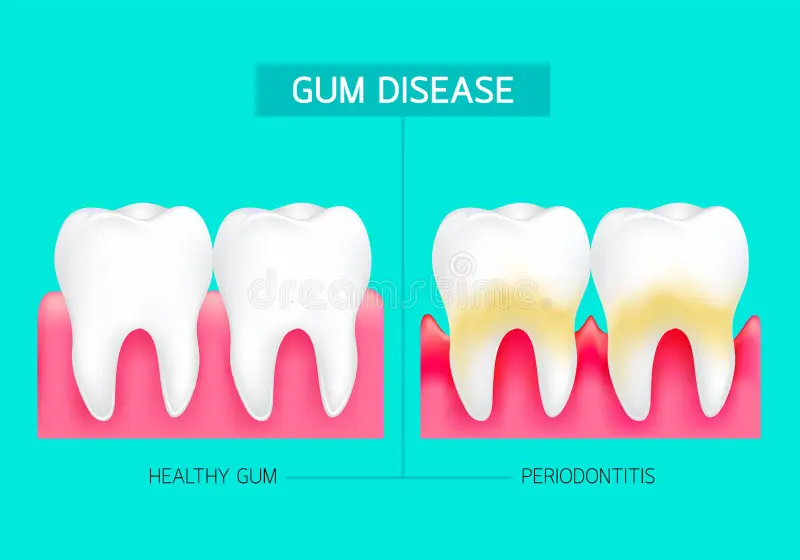
If left untreated, bacterial infection can progress beyond gingivitis and develop into periodontitis, a more serious form of gum disease that can damage the supporting structures of the teeth.
Nutritional Deficiencies and Bleeding Gums
Your gums depend on essential nutrients to remain healthy and resilient.
Vitamin C Deficiency
Vitamin C helps produce collagen, which strengthens gum tissue. A deficiency can weaken the gums and make them more susceptible to bleeding.
Foods rich in vitamin C include:
- Oranges
- Strawberries
- Kiwi
- Bell peppers
- Broccoli
Vitamin K Deficiency
Vitamin K plays a vital role in blood clotting. Low levels may make bleeding more noticeable and prolonged.
Maintaining a balanced diet supports both oral and overall health.
Medical Conditions That Can Cause Bleeding Gums
Sometimes bleeding gums are linked to underlying health conditions.
Diabetes
People with diabetes may experience increased gum inflammation due to changes in immune function and blood circulation.
Hormonal Changes
Hormonal fluctuations during:
- Puberty
- Pregnancy
- Menstruation
- Menopause
can increase gum sensitivity and make bleeding more common.
Certain Medications
Some medications affect the body’s ability to control bleeding, including:
- Blood thinners
- Anticoagulants
- Antiplatelet medications
If you notice persistent bleeding after starting a new medication, discuss it with your healthcare provider.
When Bleeding Gums May Signal Gum Disease
Occasional bleeding may not be an emergency, but persistent bleeding should never be ignored.
Signs of Periodontitis
Advanced gum disease may cause:
- Frequent gum bleeding
- Gum recession
- Loose teeth
- Deep pockets around teeth
- Persistent bad breath
- Bone loss around teeth
Without treatment, periodontitis can eventually lead to tooth loss.
How to Stop Gums from Bleeding When Brushing
Fortunately, most cases of bleeding gums can be improved through better oral hygiene and professional dental care.
Improve Your Brushing Technique
Follow these recommendations:
- Use a soft-bristled toothbrush
- Brush gently for two minutes twice daily
- Hold the brush at a 45-degree angle toward the gumline
- Use small circular motions rather than scrubbing
Floss Daily
Flossing removes plaque and food debris between teeth where toothbrushes cannot reach.
Although mild bleeding may occur when starting a flossing routine, consistent flossing often reduces inflammation and bleeding over time.
Schedule Regular Dental Cleanings
Professional cleanings remove hardened plaque and tartar that cannot be eliminated through brushing alone.
Regular dental visits help:
- Detect gum disease early
- Reduce plaque buildup
- Improve gum health
- Prevent future complications
When Should You See a Dentist?
You should schedule a dental appointment if:
- Bleeding continues for more than two weeks
- Your gums appear swollen or painful
- You experience gum recession
- Teeth feel loose
- Bad breath persists despite brushing
Early diagnosis can prevent minor gum problems from becoming serious periodontal conditions.
Preventing Bleeding Gums
Maintaining healthy gums requires consistent care and healthy habits.
Daily Prevention Tips
- Brush twice daily with a soft-bristled toothbrush
- Floss every day
- Use an antimicrobial mouthwash if recommended
- Eat a nutrient-rich diet
- Stay hydrated
- Avoid tobacco products
- Visit your dentist regularly
These simple habits significantly reduce plaque buildup and lower the risk of gum disease.
Conclusion
Understanding why gums bleed when brushing is essential for protecting your oral health. While plaque buildup and gingivitis are the most common causes, factors such as aggressive brushing, nutritional deficiencies, hormonal changes, medications, and systemic health conditions can also contribute.
Bleeding gums should never be dismissed as normal. Instead, they should be viewed as an early warning sign that your gums need attention. By improving your oral hygiene routine, maintaining regular dental visits, and seeking professional care when needed, you can stop bleeding gums and support long-term periodontal health.