
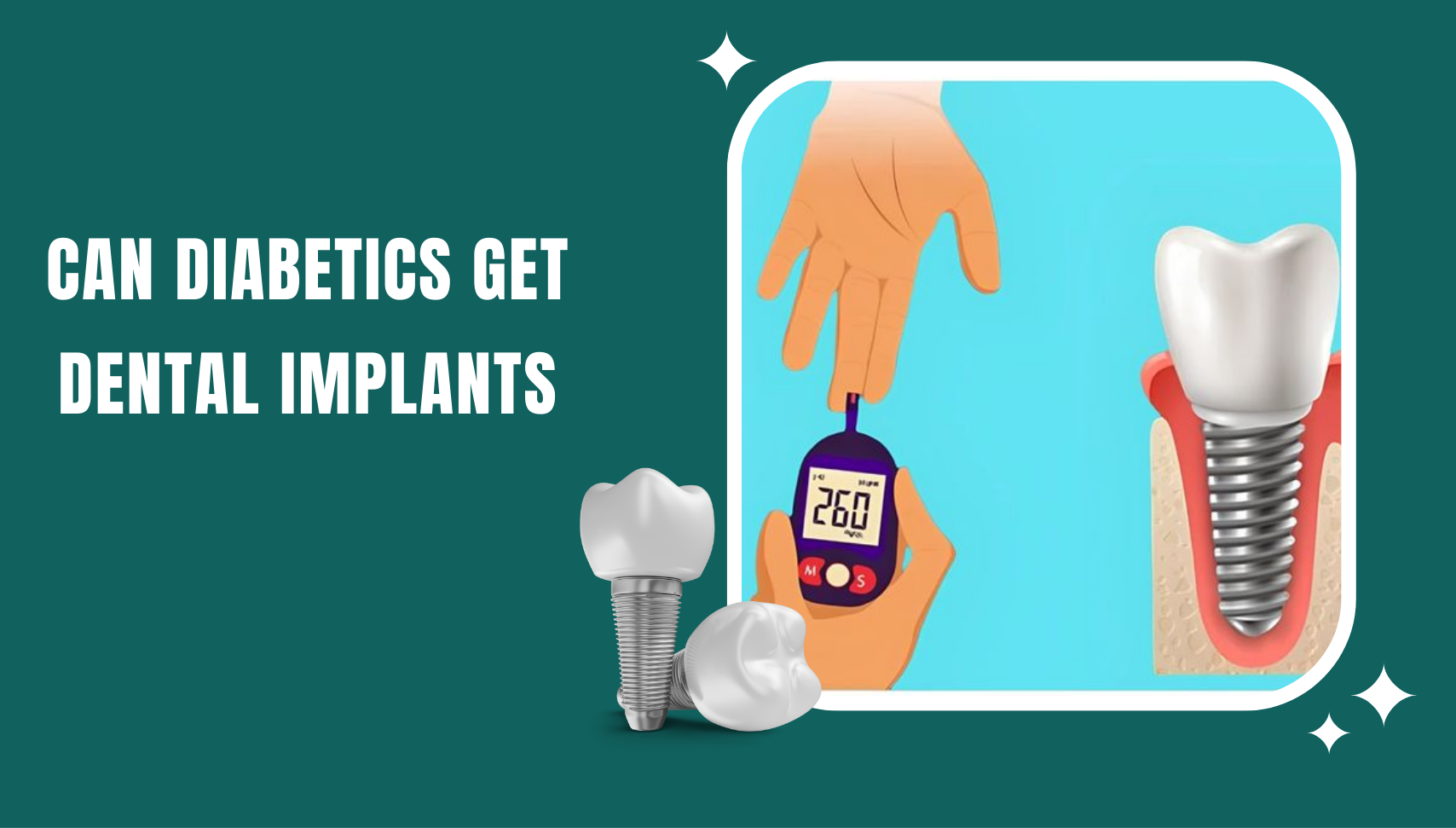
Missing teeth can affect your confidence, oral health, and quality of life. Dental implants are considered one of the most effective and long-lasting tooth replacement solutions available today. However, many patients living with diabetes wonder whether they are good candidates for implant treatment. Understanding the relationship between dental implants with diabetes is essential for making informed decisions about your oral health.
The good news is that individuals with well-controlled diabetes can often receive dental implants successfully. Advances in implant dentistry and improved diabetes management have significantly increased success rates for diabetic patients.
What Are Dental Implants?
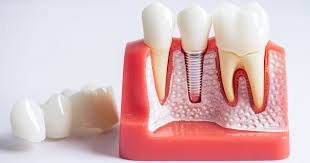
Dental implants are artificial tooth roots made from biocompatible materials, typically titanium. They are surgically placed into the jawbone to support replacement teeth such as crowns, bridges, or dentures.
A dental implant consists of three primary components:
- Implant post
- Abutment
- Dental crown
Unlike traditional tooth replacement options, implants integrate with the jawbone through a process known as osseointegration, providing exceptional stability and function.
How Does Diabetes Affect Oral Health?
Diabetes impacts the body’s ability to regulate blood sugar levels. Poorly controlled diabetes can affect various aspects of oral health, including:
- Delayed healing
- Increased risk of infection
- Dry mouth
- Gum disease
- Bone loss
- Higher inflammation levels
Because dental implants rely on healthy bone and proper healing, diabetes can influence implant treatment outcomes.
Can Diabetic Patients Get Dental Implants?
Yes. Most patients with controlled diabetes can safely receive dental implants.
Research shows that implant success rates among patients with well-managed diabetes are often comparable to those of non-diabetic patients.
However, treatment planning requires careful evaluation of:
- Blood glucose control
- Overall health
- Bone quality
- Gum health
- Smoking status
Your dentist or implant specialist will assess these factors before recommending treatment.
Why Blood Sugar Control Matters
Successful implant healing depends on the body’s ability to repair tissue and integrate the implant with the jawbone.
When blood sugar levels remain elevated, patients may experience:
- Slower wound healing
- Increased infection risk
- Greater inflammation
- Reduced bone regeneration
Maintaining stable blood glucose levels before and after surgery significantly improves implant success rates.
Benefits of Dental Implants for Diabetic Patients
Dental implants offer several advantages compared to other tooth replacement options.
Improved Chewing Function
Implants restore strong biting force, making it easier to eat a balanced diet that supports overall health and diabetes management.
Better Oral Health
Unlike bridges, implants do not require adjacent teeth to be altered, helping preserve natural tooth structure.
Bone Preservation
Dental implants stimulate the jawbone and help prevent bone loss that commonly occurs after tooth loss.
Long-Term Stability
With proper care, implants can provide a durable and reliable tooth replacement solution for many years.
Potential Risks of Dental Implants with Diabetes
Although dental implants are often successful, diabetic patients may face additional considerations.
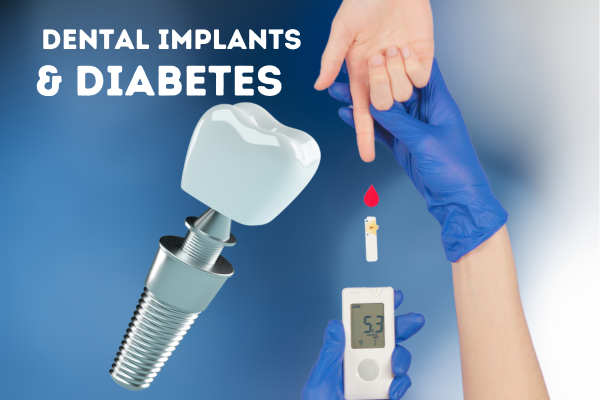
Delayed Healing
High blood sugar levels can slow tissue repair and prolong recovery following implant placement.
Increased Infection Risk
Diabetes can weaken the immune response, making postoperative infections more likely if blood sugar is not well controlled.
Implant Failure
Poorly managed diabetes may interfere with osseointegration, increasing the risk of implant complications or failure.
These risks can often be minimized through proper planning and diabetes management.
How Dentists Evaluate Implant Candidates with Diabetes
Before proceeding with treatment, your dentist may review:
Medical History
Understanding your diabetes type, medications, and overall health helps determine treatment suitability.
Blood Sugar Control
Many dentists work closely with physicians to evaluate diabetes management and recent HbA1c levels.
Gum Health Assessment
Healthy gums are critical for implant success. Existing periodontal disease may need treatment before implant placement.
Bone Evaluation
Digital imaging and CBCT scans help assess jawbone density and implant site suitability.
Tips for Successful Dental Implants with Diabetes
Patients can improve outcomes by following several important recommendations.
Maintain Good Blood Sugar Control
Stable blood glucose levels support healing and reduce complications.
Practice Excellent Oral Hygiene
Daily brushing, flossing, and professional cleanings help prevent infections around implants.
Attend Regular Dental Visits
Routine examinations allow your dentist to monitor implant health and identify problems early.
Follow Post-Operative Instructions
Carefully following aftercare instructions promotes healing and protects the implant site.
Avoid Smoking
Smoking significantly increases implant failure risk and can further complicate diabetes-related healing challenges.
Are Dental Implants Better Than Dentures for Diabetic Patients?
Many diabetic patients prefer implants because they offer:
- Greater stability
- Improved chewing efficiency
- Better comfort
- Enhanced confidence
- Bone preservation benefits
While dentures remain a viable option, implants often provide superior long-term function and quality of life.
How Long Do Dental Implants Last in Diabetic Patients?
With proper care and controlled diabetes, dental implants can last for many years or even decades.
Success depends on:
- Oral hygiene
- Blood sugar management
- Regular dental maintenance
- Healthy lifestyle habits
Consistent care plays a significant role in preserving implant health over time.
When Should You Talk to an Implant Dentist?
You should schedule a consultation if:
- You have missing teeth
- Your diabetes is reasonably controlled
- You want a permanent tooth replacement solution
- You are considering alternatives to dentures
A personalized evaluation can determine whether dental implants are right for your situation.
Conclusion
Receiving dental implants with diabetes is often both safe and successful when blood sugar levels are well managed and oral health is properly maintained. Although diabetes can affect healing and increase certain risks, modern implant dentistry allows many diabetic patients to enjoy the benefits of stable, long-lasting tooth replacement.
By working closely with your dentist and healthcare provider, maintaining good diabetes control, and following recommended oral hygiene practices, you can significantly improve your chances of successful implant treatment and long-term oral health.