
Gum recession is a common dental condition that occurs when the gum tissue surrounding the teeth pulls back or wears away, exposing more of the tooth or even the tooth root. While it may develop gradually, gum recession should never be ignored because it can lead to tooth sensitivity, increased cavity risk, and even tooth loss if left untreated.
Understanding gum recession causes and treatment options can help you identify early warning signs and take steps to protect your oral health. With proper care and timely intervention, many cases of gum recession can be successfully managed.
What Is Gum Recession?
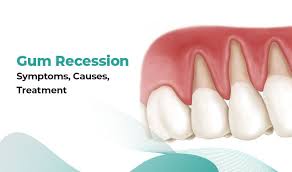
Healthy gums fit snugly around the teeth, protecting the roots and supporting structures beneath the gumline. When gum recession occurs, the gums move away from the teeth, creating gaps or pockets where bacteria can accumulate.
As the tooth roots become exposed, patients may notice increased sensitivity and changes in the appearance of their smile.
Common Causes of Gum Recession
Several factors can contribute to gum recession.
Periodontal Disease
One of the most common causes of gum recession is periodontal disease. Bacterial infections damage the gums and supporting bone structures, causing tissue loss over time.
Symptoms often include:
- Bleeding gums
- Swollen gums
- Persistent bad breath
- Loose teeth
- Receding gumline
Aggressive Brushing
Brushing too hard or using a hard-bristled toothbrush can gradually wear away gum tissue.
Signs of brushing-related recession include:
- Recession near the front teeth
- Tooth sensitivity
- Worn enamel near the gumline
Using a soft-bristled toothbrush and gentle brushing technique can help prevent further damage.
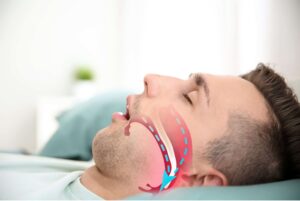
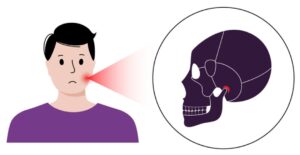
Teeth Grinding and Clenching
Excessive pressure from grinding or clenching can place stress on the teeth and supporting tissues, contributing to gum recession over time.
Poor Oral Hygiene
Inadequate brushing and flossing allow plaque and tartar to build up along the gumline, increasing the risk of gum disease and recession.
Genetics
Some individuals are naturally more susceptible to gum recession due to inherited gum thickness and periodontal characteristics.
Tobacco Use
Smoking and tobacco products reduce blood flow to the gums and increase the risk of periodontal disease, making gum recession more likely.
Misaligned Teeth
When teeth are not properly aligned, excessive forces may be placed on specific areas of the gums, leading to localized recession.
Symptoms of Gum Recession
Early detection can help prevent more serious complications.
Common symptoms include:
Tooth Sensitivity
Exposed tooth roots are more sensitive to:
- Hot foods and beverages
- Cold foods and beverages
- Sweet foods
- Brushing and flossing
Teeth Appearing Longer
As gums recede, teeth may appear unusually long.
Visible Root Exposure
The yellowish root surface may become visible near the gumline.
Gumline Changes
Patients may notice uneven or shrinking gums around certain teeth.
Discomfort While Brushing
Sensitive areas may become painful during daily oral hygiene routines.
Why Gum Recession Should Not Be Ignored
Gum recession is more than a cosmetic concern.
Untreated recession can lead to:
- Root cavities
- Increased tooth sensitivity
- Gum inflammation
- Bone loss
- Tooth mobility
- Tooth loss
Because tooth roots are not protected by enamel, they are more vulnerable to decay and wear.
How Dentists Diagnose Gum Recession
A dental examination can determine the severity of gum recession and identify its underlying cause.
Your dentist may evaluate:
- Gum tissue levels
- Pocket depths
- Bone support
- Signs of periodontal disease
- Tooth alignment
- Oral hygiene habits
Early diagnosis often allows for less invasive treatment options.
Gum Recession Treatment Options
Treatment depends on the severity of recession and the underlying cause.
Professional Dental Cleaning
For mild cases caused by plaque buildup or early gum disease, professional cleanings can help reduce inflammation and improve gum health.
Scaling and Root Planing
This deep-cleaning procedure removes plaque and tartar from below the gumline and smooths root surfaces to encourage healing.
Desensitizing Treatments
For exposed roots, dentists may recommend:
- Fluoride treatments
- Desensitizing toothpaste
- Protective dental coatings
These treatments can reduce discomfort and sensitivity.
Orthodontic Treatment
If misaligned teeth contribute to recession, orthodontic treatment may help distribute biting forces more evenly.
Night Guards for Teeth Grinding
Custom night guards can reduce the effects of bruxism and protect the teeth and gums from excessive pressure.
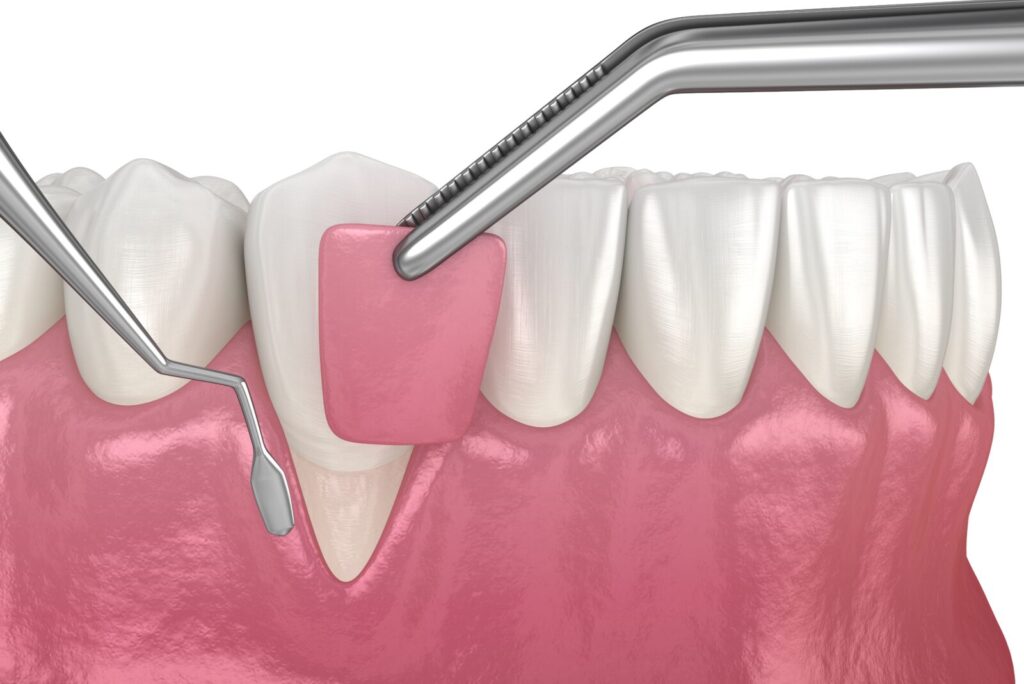
Gum Grafting Surgery
For moderate to severe recession, gum grafting may be recommended.
During this procedure:
- Healthy tissue is taken from another area of the mouth or donor source
- The tissue is placed over exposed roots
- Gum coverage and protection are restored
Gum grafting can improve both function and appearance.
How to Prevent Gum Recession
Prevention is often easier than treatment.
Practice Proper Brushing Techniques
Use:
- A soft-bristled toothbrush
- Gentle circular motions
- Light pressure
Avoid aggressive scrubbing along the gumline.
Maintain Excellent Oral Hygiene
Daily brushing and flossing help control plaque and reduce the risk of periodontal disease.
Schedule Regular Dental Checkups
Routine exams allow dentists to detect early signs of gum recession before significant damage occurs.
Stop Tobacco Use
Quitting smoking can improve gum health and reduce periodontal disease risk.
Wear a Night Guard If Needed
Patients who grind their teeth during sleep may benefit from a custom night guard.
When Should You See a Dentist?
You should schedule a dental evaluation if you notice:
- Tooth sensitivity
- Exposed tooth roots
- Bleeding gums
- Teeth appearing longer
- Changes in your gumline
Prompt treatment can prevent further tissue loss and help preserve your natural teeth.
Conclusion
Understanding gum recession causes and treatment is essential for maintaining healthy gums and protecting your smile. Periodontal disease, aggressive brushing, teeth grinding, genetics, and tobacco use are among the most common causes of recession.
Fortunately, modern dentistry offers effective treatment options ranging from professional cleanings and deep scaling to gum grafting procedures for advanced cases. By recognizing symptoms early and maintaining good oral hygiene habits, you can reduce your risk of gum recession and support long-term oral health.