
Jaw pain can significantly affect daily life, making it difficult to eat, speak, yawn, or even sleep comfortably. One of the most common causes of persistent jaw discomfort is a problem involving the temporomandibular joint (TMJ). Understanding the connection between TMJ pain and dentistry is essential because many TMJ disorders originate from or impact oral health.
Dentists play a crucial role in diagnosing and treating temporomandibular joint disorders (TMD), helping patients find relief from chronic jaw pain and related symptoms. This article explores the causes, symptoms, diagnosis, and treatment options available for TMJ disorders.
What Is the TMJ?
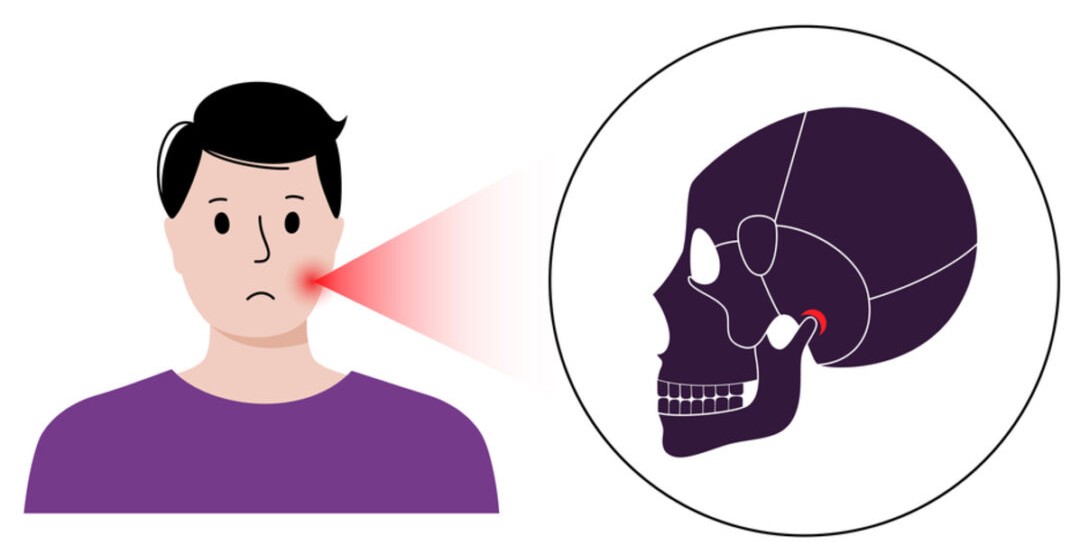
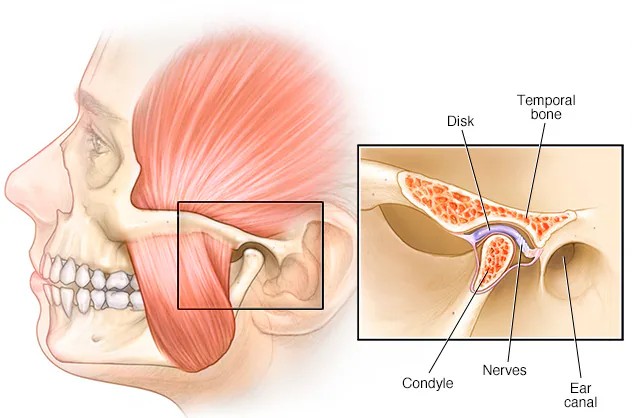
The temporomandibular joint is one of the most complex joints in the human body. It connects the lower jaw (mandible) to the skull and allows movements necessary for:
- Chewing
- Speaking
- Swallowing
- Yawning
- Facial expressions
There is a TMJ on each side of the head, working together to enable smooth jaw movement. When these joints or surrounding muscles become irritated or damaged, TMJ disorders can develop.
What Causes TMJ Pain?
TMJ pain can result from various factors affecting the joint, muscles, or surrounding structures.
Teeth Grinding and Clenching
Bruxism, commonly known as teeth grinding or jaw clenching, places excessive pressure on the TMJ and surrounding muscles. Over time, this stress can lead to pain, inflammation, and joint dysfunction.
Bite Misalignment
An uneven bite can force the jaw into an unnatural position, creating excessive strain on the temporomandibular joints during everyday activities.
Jaw Injury
Trauma from accidents, sports injuries, or falls can damage the TMJ and surrounding tissues, causing long-term discomfort.
Arthritis
Conditions such as osteoarthritis and rheumatoid arthritis can affect the temporomandibular joints, leading to pain, stiffness, and reduced mobility.
Stress and Muscle Tension
Emotional stress often contributes to unconscious jaw clenching, increasing muscle tension and TMJ discomfort.
Common Symptoms of TMJ Disorders
TMJ disorders can produce a wide range of symptoms that extend beyond the jaw itself.
Jaw Pain and Tenderness
The most recognizable symptom is pain around the jaw joint, particularly when chewing or opening the mouth.
Clicking or Popping Sounds
Many patients notice clicking, popping, or grinding noises when moving the jaw.
Difficulty Opening the Mouth
TMJ dysfunction can restrict jaw movement, making it difficult to fully open or close the mouth.
Headaches and Facial Pain
TMJ disorders frequently cause:
- Tension headaches
- Facial soreness
- Pain around the temples
- Neck discomfort
Ear-Related Symptoms
Some patients experience:
- Ear pain
- Ringing in the ears (tinnitus)
- A feeling of fullness in the ears
These symptoms often occur despite no actual ear infection being present.
How Dentists Diagnose TMJ Disorders
Because TMJ symptoms can mimic other conditions, proper diagnosis is important.
Clinical Examination
A dentist may evaluate:
- Jaw movement
- Bite alignment
- Joint sounds
- Muscle tenderness
- Range of motion
Dental and Medical History
Understanding habits such as teeth grinding, jaw clenching, previous injuries, and stress levels can help identify contributing factors.
Diagnostic Imaging
In some cases, imaging studies may be recommended, including:
- Digital X-rays
- CBCT scans
- MRI scans
These tools provide detailed views of the joint structures and surrounding tissues.
The Connection Between TMJ Pain and Oral Health
TMJ disorders can directly impact dental health and overall oral function.
Tooth Wear
Chronic grinding often causes:
- Flattened teeth
- Cracked enamel
- Increased tooth sensitivity
Difficulty Chewing
Jaw pain may make eating uncomfortable, affecting nutrition and quality of life.
Increased Dental Problems
Patients with TMJ disorders may experience additional oral health issues due to excessive forces placed on teeth and supporting structures.
Dental Treatments for TMJ Pain
Many TMJ cases respond well to conservative dental treatments.
Custom Night Guards
A custom-made night guard helps reduce the effects of grinding and clenching while protecting the teeth and jaw joints.
Benefits include:
- Reduced muscle tension
- Less joint stress
- Protection against tooth wear
- Improved sleep comfort
Bite Adjustment
If bite irregularities contribute to TMJ pain, dentists may recommend procedures to improve bite balance and reduce strain on the joints.
Orthodontic Treatment
In some cases, correcting misaligned teeth can improve jaw function and reduce TMJ symptoms.
Physical Therapy Recommendations
Dentists often work alongside physical therapists to improve jaw mobility and strengthen supporting muscles.
Home Care Tips for TMJ Pain Relief
Several self-care measures can help reduce TMJ discomfort.
Apply Warm Compresses
Warm compresses help relax jaw muscles and improve blood circulation.
Eat Soft Foods
Temporarily choosing softer foods can reduce stress on the jaw joints.
Examples include:
- Yogurt
- Soups
- Mashed potatoes
- Scrambled eggs
- Smoothies
Avoid Excessive Jaw Movements
Try to avoid:
- Chewing gum
- Nail biting
- Opening the mouth excessively wide
Manage Stress
Stress reduction techniques such as meditation, exercise, and deep breathing can help minimize jaw clenching.
When Should You See a Dentist for TMJ Pain?
Professional evaluation is recommended if you experience:
- Persistent jaw pain
- Frequent headaches
- Jaw locking
- Difficulty chewing
- Clicking accompanied by pain
- Limited jaw movement
Early intervention often prevents symptoms from worsening and improves treatment outcomes.
Can TMJ Disorders Be Prevented?
While not all cases can be prevented, certain habits may lower your risk.
Prevention Tips
- Avoid grinding or clenching your teeth
- Wear a night guard if recommended
- Maintain good posture
- Reduce stress levels
- Schedule regular dental checkups
- Address bite issues promptly
Conclusion
Understanding the relationship between TMJ pain and dentistry can help patients recognize symptoms early and seek appropriate treatment. TMJ disorders may arise from teeth grinding, bite problems, stress, arthritis, or injury, but effective treatment options are available.
Dentists play a key role in diagnosing TMJ disorders and providing solutions such as custom night guards, bite adjustments, and coordinated care with other healthcare professionals. If jaw pain is affecting your daily life, seeking professional dental care can help restore comfort, improve function, and protect your long-term oral health.