
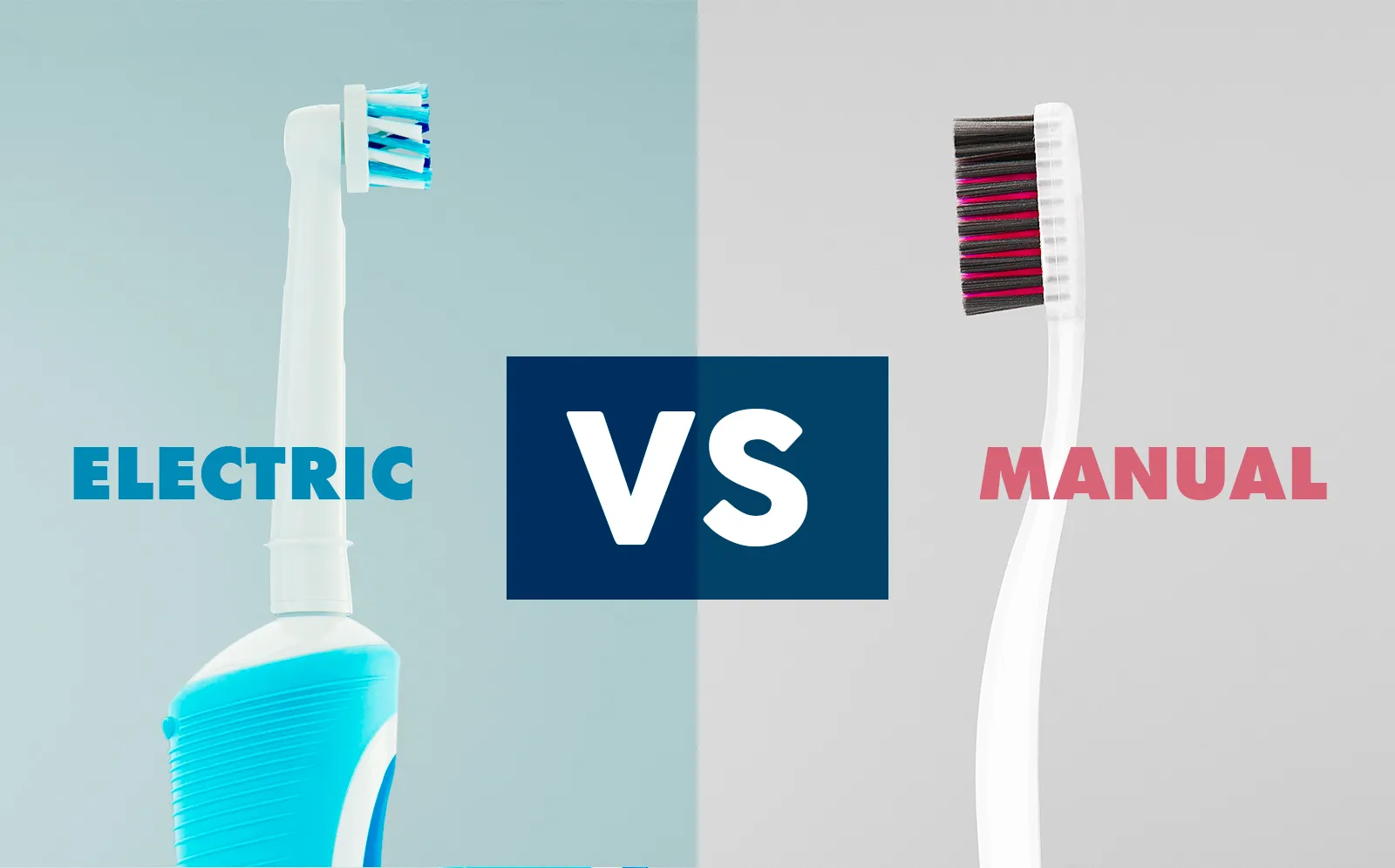
Choosing the right toothbrush is one of the simplest yet most important decisions you can make for your oral health. With countless options available, many patients ask whether an electric vs manual toothbrush provides better results. While both types can effectively clean teeth when used correctly, each offers unique advantages and considerations.
Understanding the differences between electric and manual toothbrushes can help you select the best option for your dental needs, lifestyle, and oral hygiene goals.
Why Choosing the Right Toothbrush Matters
Your toothbrush plays a vital role in removing plaque, preventing cavities, and maintaining healthy gums. Poor plaque control can lead to several dental issues, including:
- Tooth decay
- Gingivitis
- Periodontal disease
- Bad breath
- Tooth discoloration
The effectiveness of any toothbrush depends on proper technique, consistency, and regular replacement. However, the design and technology of the brush can also influence your oral hygiene outcomes.
What Is a Manual Toothbrush?
A manual toothbrush is the traditional toothbrush that requires hand movement to clean the teeth and gums.
Advantages of Manual Toothbrushes
Manual toothbrushes remain popular because they are:
- Affordable
- Widely available
- Easy to travel with
- Available in various sizes and bristle types
- No batteries or charging required
Many people maintain excellent oral health using a manual toothbrush combined with proper brushing techniques.
Disadvantages of Manual Toothbrushes
Despite their effectiveness, manual toothbrushes have some limitations:
- Technique-dependent
- Easy to brush too hard
- Difficult for people with limited dexterity
- Less consistent brushing motion
Individuals who rush through brushing or use improper techniques may leave behind plaque and bacteria.
What Is an Electric Toothbrush?
An electric toothbrush uses battery-powered or rechargeable technology to move the brush head automatically.
Most electric toothbrushes feature:
- Oscillating movements
- Rotating brush heads
- Sonic vibrations
- Built-in timers
- Pressure sensors
These features help improve brushing consistency and plaque removal.
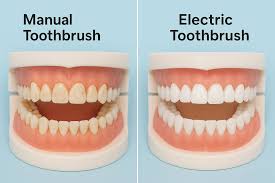
Electric vs Manual Toothbrush: Plaque Removal
One of the biggest factors in choosing a toothbrush is plaque removal effectiveness.
Electric Toothbrush Performance
Numerous studies have shown that electric toothbrushes can remove more plaque than manual toothbrushes, particularly when used consistently.
Benefits include:
- More brush strokes per minute
- Better access to hard-to-reach areas
- Consistent cleaning motion
- Reduced plaque accumulation
For patients prone to gum disease, electric toothbrushes may offer an advantage in maintaining cleaner teeth and healthier gums.
Manual Toothbrush Performance
A manual toothbrush can be equally effective when used properly for the recommended two minutes twice daily.
Success depends on:
- Proper brushing technique
- Adequate brushing time
- Thorough coverage of all tooth surfaces
In skilled hands, a manual toothbrush can provide excellent results.
Which Is Better for Gum Health?
Healthy gums are essential for long-term oral health.
Electric Toothbrushes and Gum Care
Electric toothbrushes often include pressure sensors that alert users when brushing too aggressively. This feature helps prevent gum irritation and recession.
Many studies suggest that electric toothbrush users experience:
- Reduced gum inflammation
- Less bleeding during brushing
- Improved gum health over time
Manual Toothbrushes and Gum Care
Manual toothbrushes can also support healthy gums when used gently with soft bristles.
However, many people unknowingly apply excessive pressure, which may contribute to:
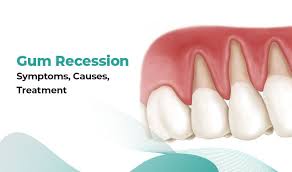
- Gum recession
- Gum sensitivity
- Tissue irritation
Using proper brushing techniques is essential regardless of the toothbrush type.
Ease of Use and Accessibility
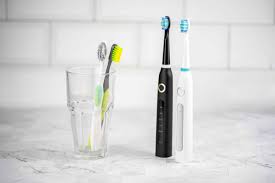
Electric Toothbrushes
Electric toothbrushes are especially beneficial for:
- Children
- Older adults
- Individuals with arthritis
- People with limited hand mobility
- Orthodontic patients
The powered movement performs much of the cleaning action, making brushing easier and more effective.
Manual Toothbrushes
Manual toothbrushes require more control and coordination but remain a practical option for most healthy adults.
They are lightweight, portable, and require no charging.
Cost Comparison
Cost is often a deciding factor when choosing between an electric and manual toothbrush.
Manual Toothbrush Cost
Manual toothbrushes are generally inexpensive and easy to replace every three to four months.
Electric Toothbrush Cost
Electric toothbrushes involve a larger initial investment and ongoing replacement brush head costs.
However, many patients find the added features and improved cleaning performance worthwhile.
Electric vs Manual Toothbrush for Braces
Patients with braces often struggle to clean around brackets and wires effectively.
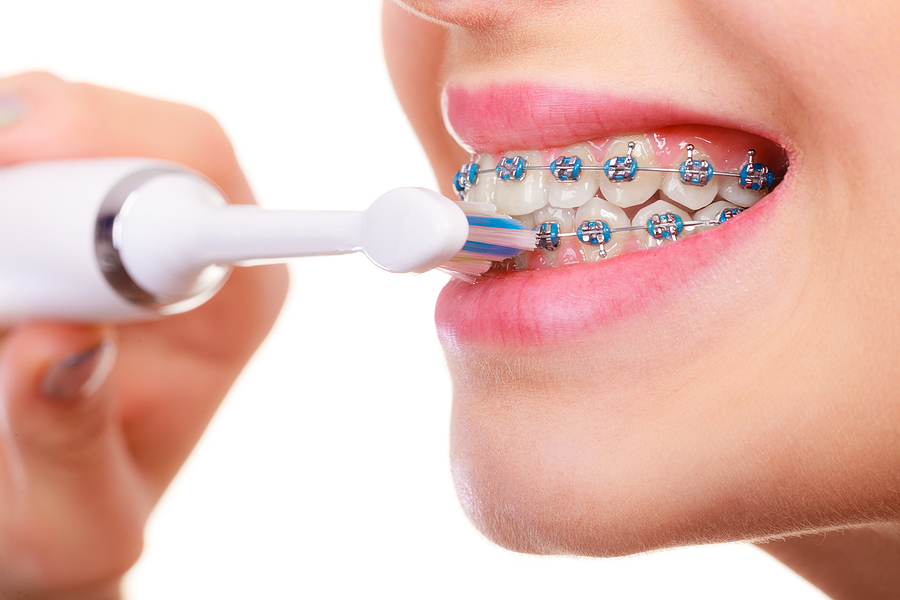
Electric toothbrushes may offer advantages because they:
- Clean around orthodontic appliances more efficiently
- Reduce plaque buildup
- Improve access to difficult areas
- Support better gum health during orthodontic treatment
While manual brushes can still work well, many orthodontists recommend electric toothbrushes for improved cleaning.
Features Available in Modern Electric Toothbrushes
Advanced electric toothbrushes may include:
- Two-minute timers
- Quadrant pacing reminders
- Pressure sensors
- Multiple brushing modes
- Bluetooth connectivity
- Oral hygiene tracking apps
These features encourage better brushing habits and improve compliance with dental recommendations.
How to Choose the Right Toothbrush
The best toothbrush is ultimately the one you will use consistently and correctly.
Consider:
- Your oral health needs
- Gum sensitivity
- Budget
- Dexterity limitations
- Orthodontic treatment
- Personal preference
Your dentist can also recommend the most suitable toothbrush based on your individual oral health condition.
Tips for Effective Brushing
Regardless of whether you choose an electric or manual toothbrush:
- Brush twice daily
- Brush for at least two minutes
- Use a soft-bristled toothbrush
- Replace brush heads every three to four months
- Floss daily
- Attend regular dental checkups
Consistent oral hygiene habits have a greater impact than the type of toothbrush alone.
Conclusion
When comparing an electric vs manual toothbrush, both can effectively maintain oral health when used properly. However, electric toothbrushes often provide advantages in plaque removal, gum health, ease of use, and brushing consistency.
Manual toothbrushes remain an affordable and reliable option, especially for individuals with excellent brushing techniques. Ultimately, the best toothbrush is the one that helps you maintain a consistent oral hygiene routine and supports your long-term dental health.
If you’re unsure which toothbrush is right for you, consult your dentist for personalized recommendations based on your oral health needs.