
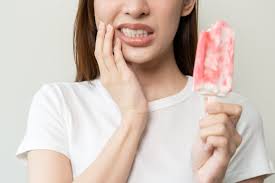
You’re enjoying an iced coffee or a cold drink when suddenly a sharp pain shoots through your tooth. If your tooth is sensitive to cold, you’re not alone. A tooth sensitive to cold is one of the most common reasons patients visit Bright Dental in Des Plaines. While the sensation can be alarming, understanding the cause is the first step toward finding the right treatment.
The good news is that cold sensitivity is usually treatable once the underlying issue is identified.
Why Is My Tooth Sensitive to Cold?
Your teeth are made up of several layers. The outer layer, called enamel, protects the inner structures of your tooth. Beneath the enamel lies dentin, which contains thousands of microscopic channels leading directly to the tooth’s nerve.
When enamel becomes worn down or tooth roots become exposed, cold temperatures can reach these nerves more easily. That’s why a tooth sensitive to cold often produces a sudden, sharp sensation when eating ice cream, drinking cold beverages, or even breathing in cold air.
The real question is not why cold hurts—but why the tooth has become vulnerable in the first place.
Common Causes of a Tooth Sensitive to Cold
Enamel Erosion
One of the most common reasons for a tooth sensitive to cold is enamel erosion. Acidic foods and drinks such as soda, citrus fruits, sports drinks, and vinegar-based dressings gradually wear away enamel.
Since enamel cannot regenerate naturally, thinning enamel leaves teeth increasingly vulnerable to temperature changes.
Receding Gums
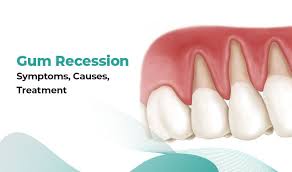
Healthy gums protect the roots of your teeth. When gums recede due to aggressive brushing, gum disease, or genetics, root surfaces become exposed.
Unlike the crown of your tooth, roots are not protected by enamel, making them highly sensitive to cold.
Cracked or Chipped Teeth
Even tiny cracks can create pathways that allow cold sensations to reach the nerve. If one specific tooth is sensitive whenever you drink something cold, a crack may be responsible.
Cavities and Tooth Decay
A cavity can weaken the protective structure of your tooth and create sensitivity. In many cases, early tooth decay causes a tooth sensitive to cold before any visible damage is noticed.
Worn or Loose Fillings
Dental fillings can wear down over time. Small gaps between the filling and tooth can expose sensitive areas, allowing cold temperatures to trigger discomfort.
Recent Dental Treatment
It’s common for teeth to experience temporary sensitivity after procedures such as fillings, crowns, or professional cleanings. This type of sensitivity usually improves within one to two weeks.
Can Sensitive Toothpaste Help a Tooth Sensitive to Cold?

Sensitive toothpastes such as Sensodyne can be effective for mild cold sensitivity. These products work by blocking dentinal tubules or reducing nerve response over time.
Many patients notice improvement after using sensitive toothpaste consistently for two to four weeks.
However, it’s important to understand that toothpaste treats symptoms—not underlying causes. If your tooth is sensitive to cold because of a cavity, crack, gum recession, or significant enamel loss, professional treatment may still be necessary.
Warning Signs That Require a Dental Visit
You should schedule an appointment if:
- Sensitivity is becoming more frequent.
- Pain lingers after the cold source is removed.
- Only one tooth is affected.
- You experience pain while biting or chewing.
- Sensitivity suddenly becomes severe.
These symptoms often indicate an underlying dental issue that requires professional evaluation.
Why You Shouldn’t Ignore a Tooth Sensitive to Cold
A tooth sensitive to cold rarely resolves on its own. The underlying causes typically worsen over time.
For example:
- Small cavities become larger cavities.
- Mild gum recession progresses.
- Minor cracks can develop into major fractures.
Addressing sensitivity early can help prevent more extensive treatment such as root canals, crowns, or tooth extraction.
How Bright Dental Treats a Tooth Sensitive to Cold
At Bright Dental in Des Plaines, we take the time to identify the exact reason your tooth is sensitive to cold.
Our evaluation may include:
- Comprehensive dental examination
- Digital X-rays
- Assessment of gum health
- Evaluation of existing fillings and restorations
- Personalized treatment recommendations
Depending on the cause, treatment may involve fluoride therapy, dental fillings, crowns, gum treatments, or other preventive solutions.
Preventing Cold Tooth Sensitivity
While not every cause can be prevented, these habits can help protect your teeth:
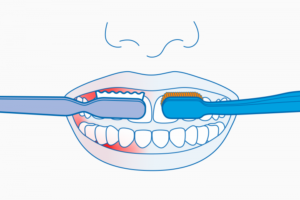
- Brush gently using a soft-bristled toothbrush.
- Limit acidic foods and beverages.
- Rinse with water after consuming acidic drinks.
- Wear a night guard if you grind your teeth.
- Attend regular dental cleanings and checkups.
- Address dental problems before they become severe.
Don’t Ignore That Sharp Pain
If your tooth is sensitive to cold, your mouth may be signaling an underlying problem that deserves attention. While sensitive toothpaste can provide temporary relief, lasting treatment begins with identifying the root cause.
At Bright Dental, our team provides gentle, judgment-free care designed to keep your smile healthy and comfortable. Whether the issue is minor or requires treatment, we’re here to help you find answers and relief before the problem worsens.